
hi, I’m Rumi.
I write and teach the art of small, true stories.
The cassette they made sat in a drawer in Tokyo until we moved to Seattle.
Twenty years later, I found it in a box Mom had labeled “komono” 小物—small things—and pressed play.
A voice poured out. Mine, shockingly fierce. Belting out the tale of a cunning, trickster cat.
I sat on the floor of my apartment, chest tight, staring at the half-full box of faded notes and scented erasers; the task of sorting had been so painful that I almost threw everything away, including the cassette.
I pressed rewind, then play.
This was my voice before I toned it down, having learned that quiet and careful was safer. This tape, a little plastic rectangle, had survived decades of moving, purging, and forgetting—and it had waited for me.
I felt a shiver up my spine.
Now what?
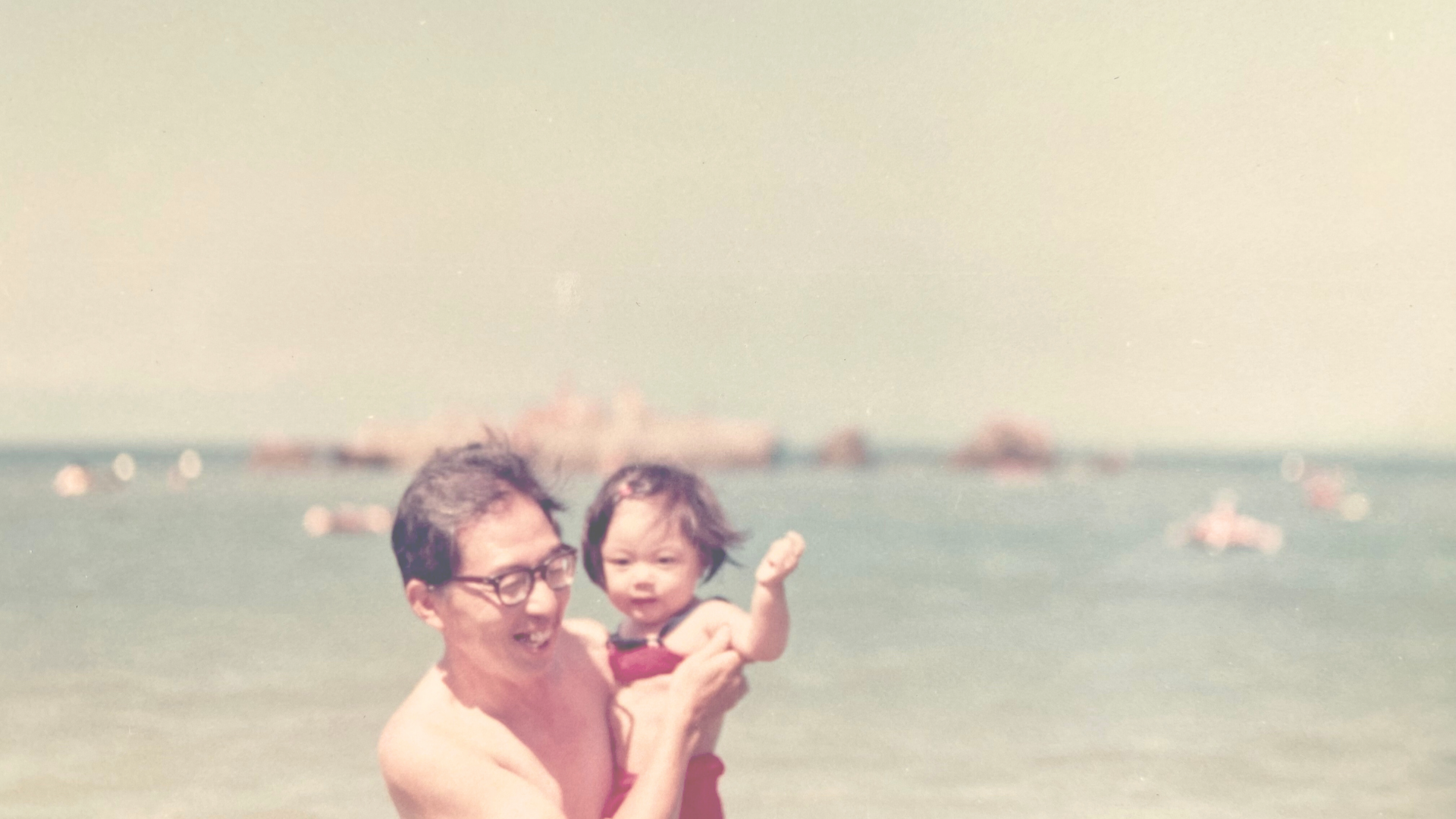
When I was two, my parents recorded me reciting the story of Puss in Boots in Japanese, all from memory.
That day, all I could do was not put the tape back into the box labeled "komono".
But over time, I started to pay attention to small things differently, through a trickster lens, to how they’re more than what they seem.
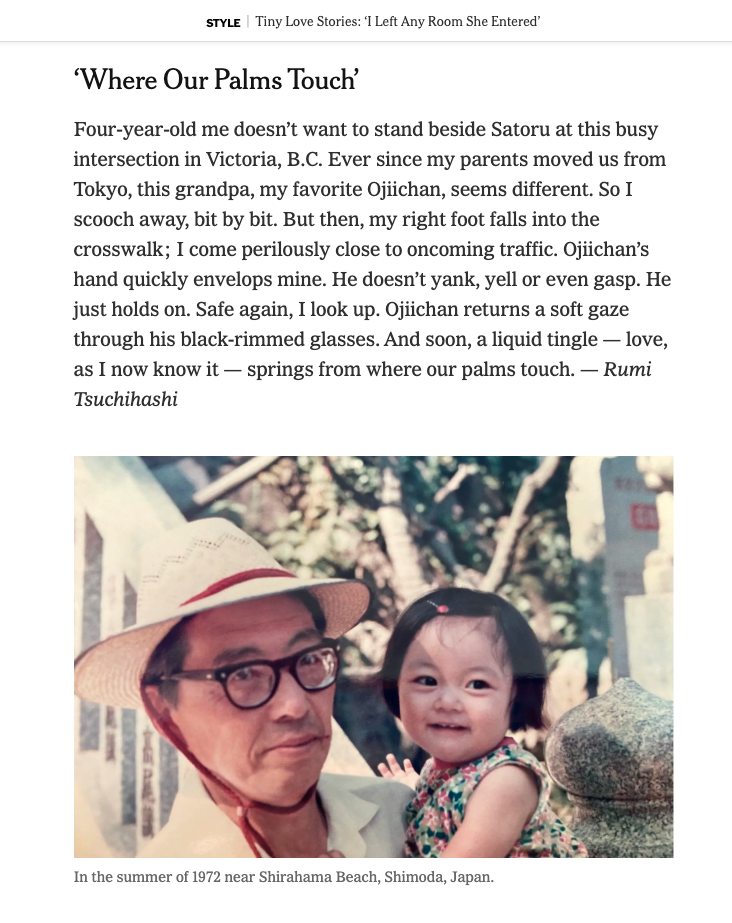
I began writing about the briefest of moments: my grandpa's palm touching mine, sitting in traffic beside my teenage child. I often wrote pieces in just a few hundred words, sometimes even less.
Brevity wasn’t a constraint to keep my stories from taking up space. Brevity was a container for safely eliciting and then distilling tucked-away truths.
These small pieces became a practice, and the practice became a body of work in a form I now know as micro-memoir.
A micro-memoir can hold both the intimacy of a moment and the weight of what it carries. These pieces are small enough not to be stopped, and substantial enough to matter.
books & creative work.
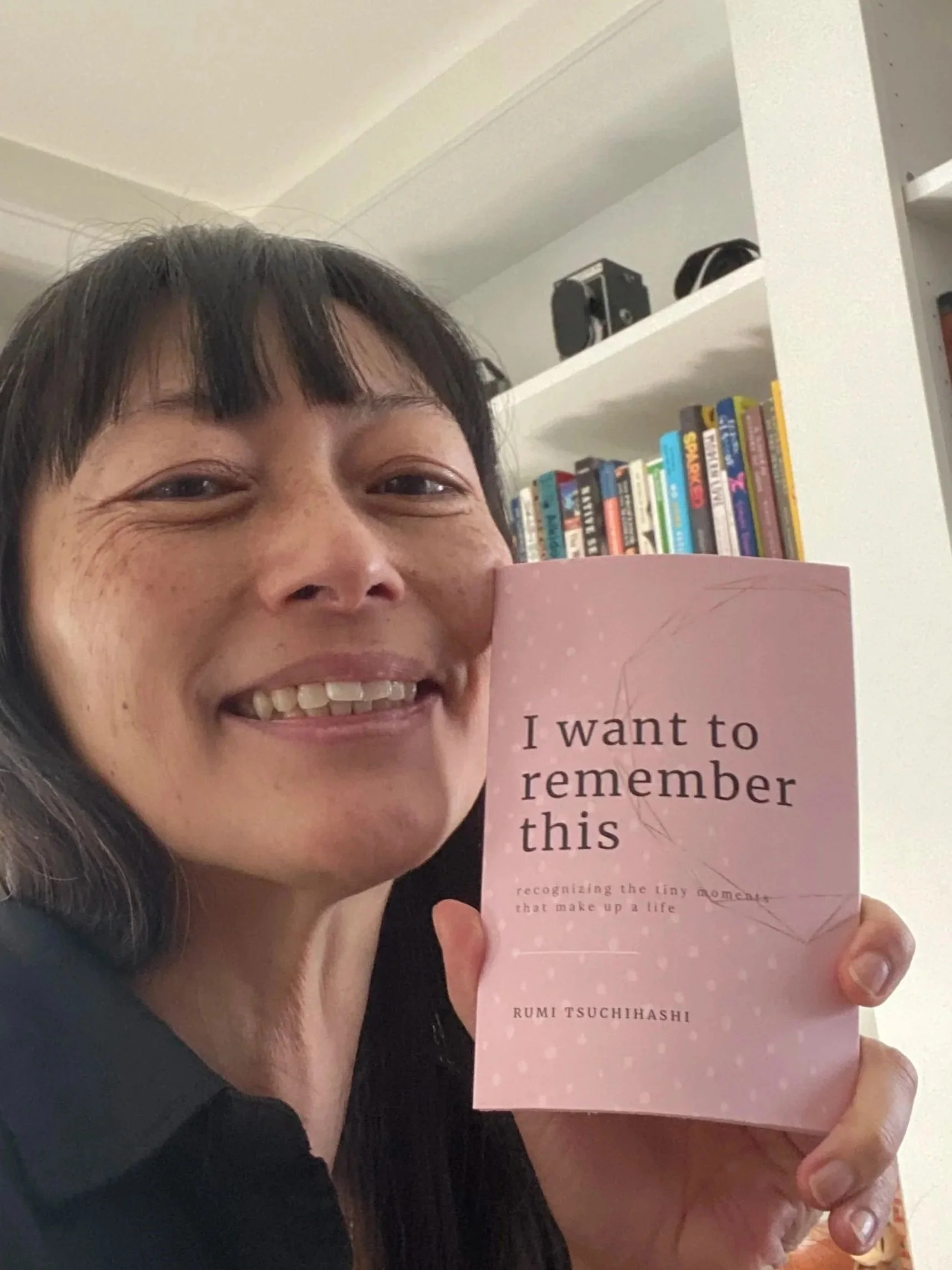
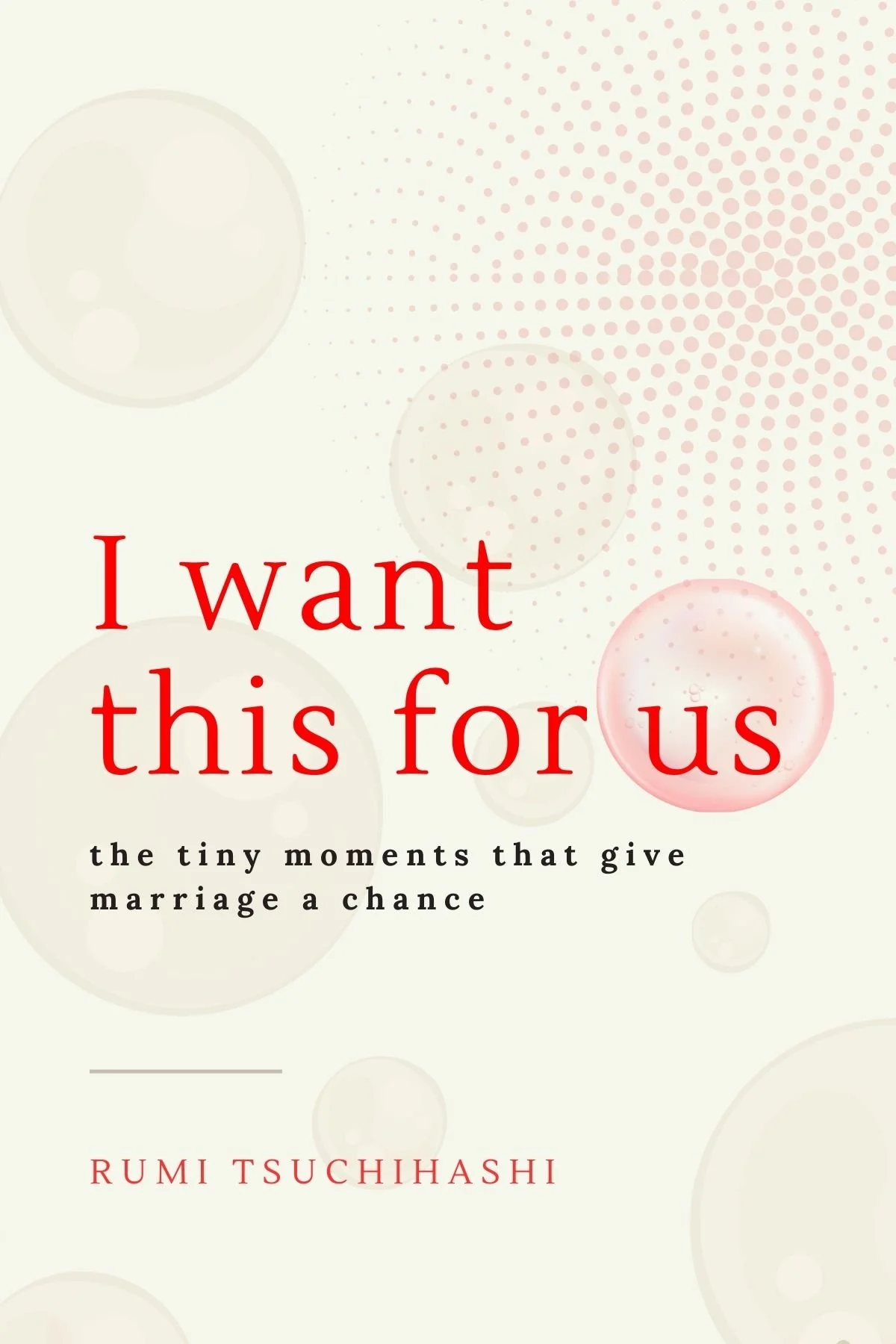
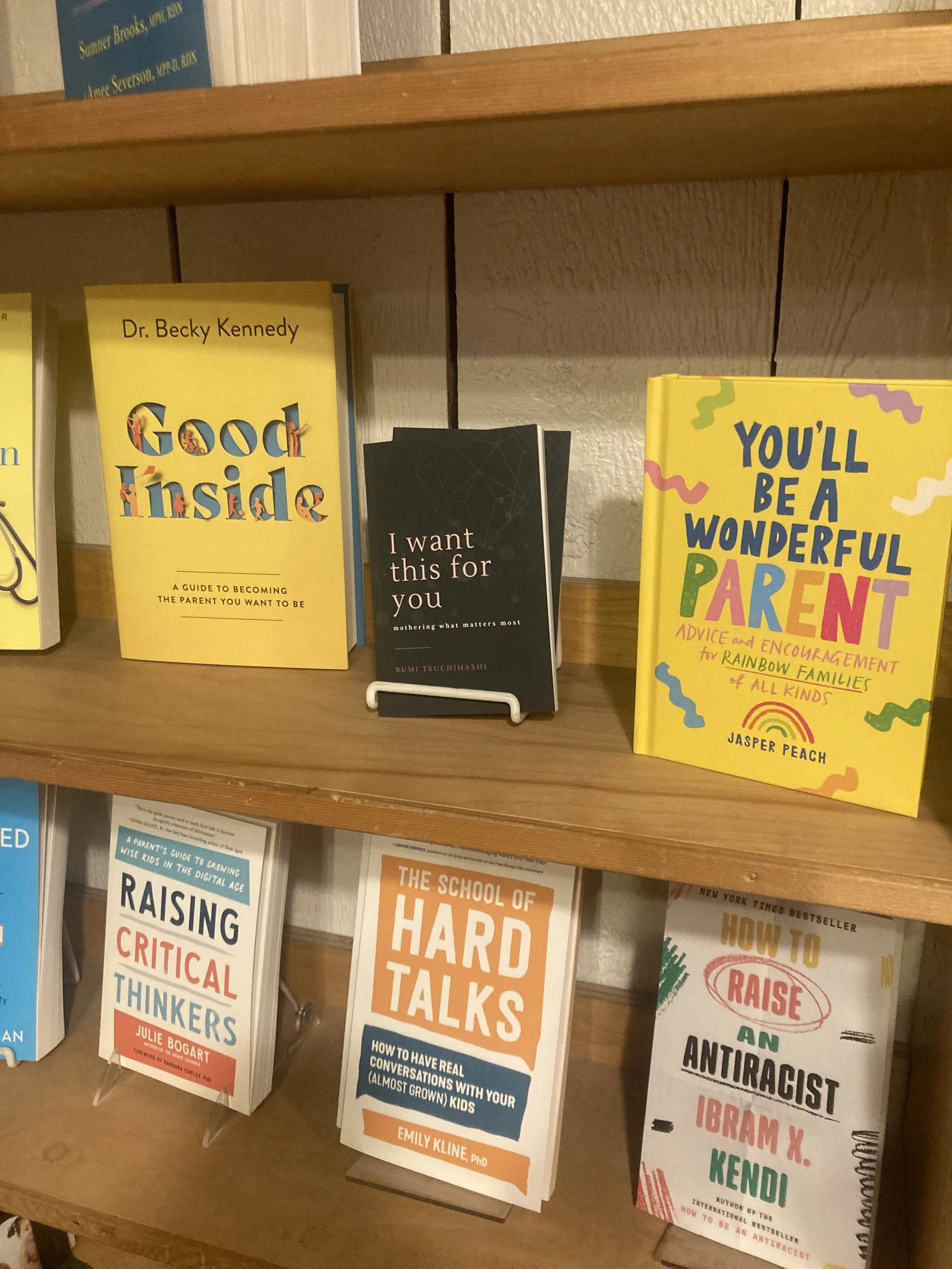
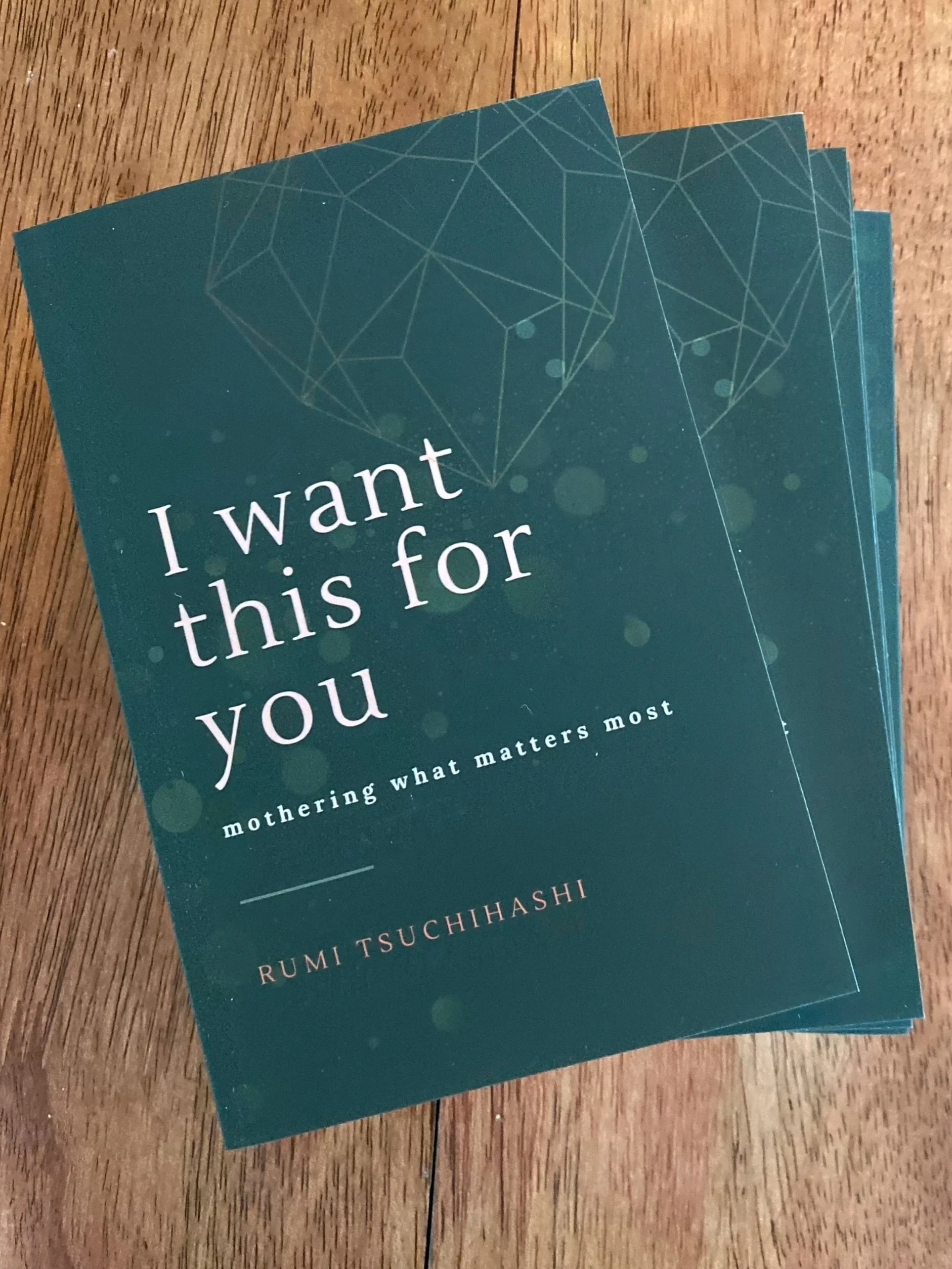
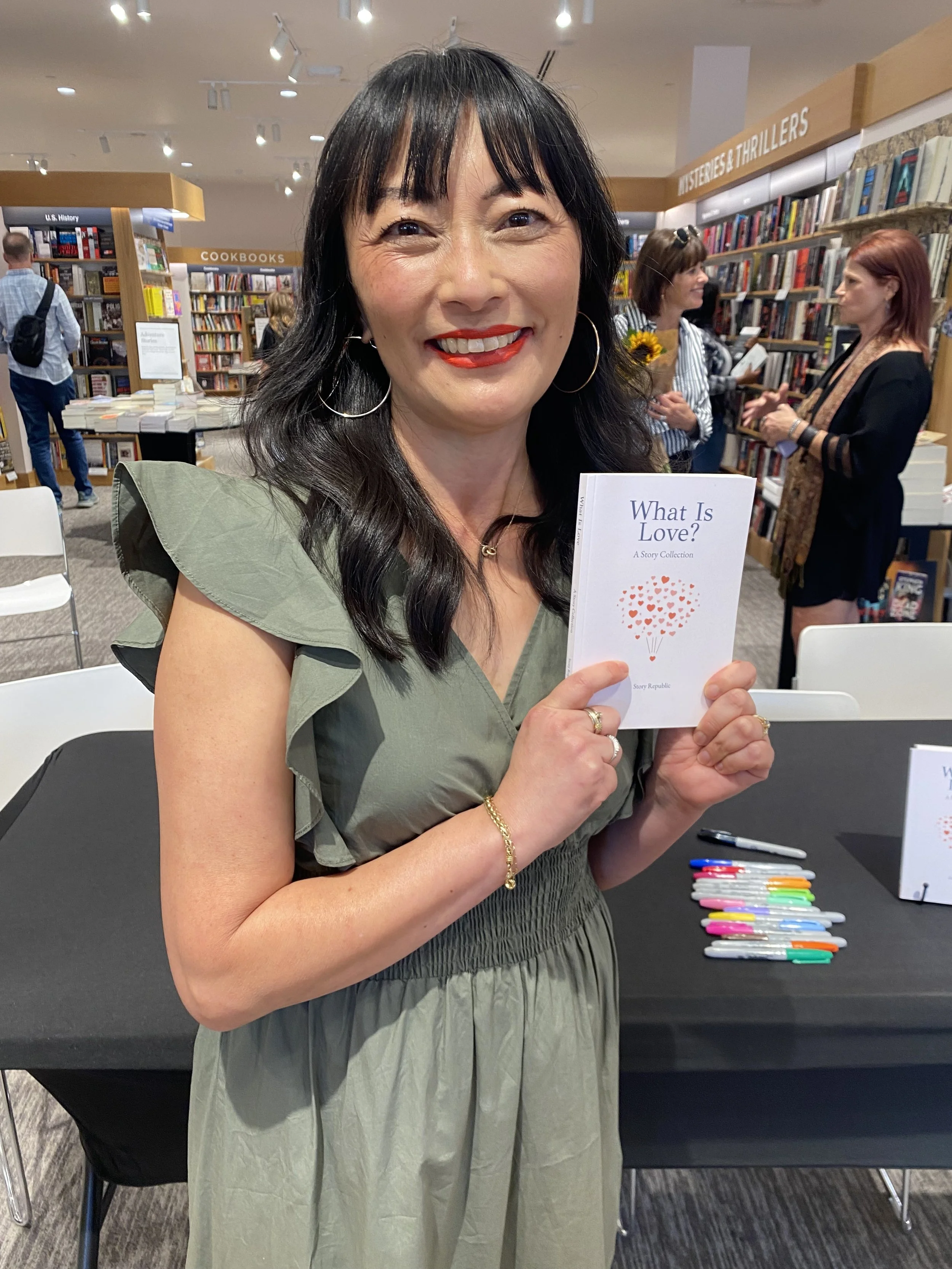
My books include I Want to Remember This, I Want This For You, and I Want This For Us, each shaped by the question of what we choose to hold on to when we can't hold everything. I've also edited the global anthology What Is Love? A Story Collection, and my essay "Where Our Palms Touch" appeared in The New York Times Modern Love.
Across all of it—the books, the essays, the teaching—I keep returning to the same territory: What matters? What stays? What do we want to remember?

my approach.
The process I offer is simple: slow down, pay attention, then zoom in, closer, closer.
I work with people who want to write but feel overwhelmed by where to begin, who doubt whether their stories matter, or who've lost touch with their own voice.
A first bite. A misspoken word. A lost item, found. Such “trivial” stories land on the page, fresh and alive, having slipped past the inner critic unnoticed.
Small moment writing isn’t about perfect performance. It’s a form of companionship with your life.
how I work with writers.
Whether we work together for an hour, weeks, or a year, my role is the same: to help you notice what's already alive in your writing; to create space, free of judgment, for your voice to emerge; and to build the presence, clarity, and resilience that sustain creative work over time.
I offer:
Classes and courses that teach micro-memoir and attentive writing practices
One-on-one coaching for writers who want personalized guidance and accountability
Editorial partnership to shape your stories with care, honoring what you're trying to say
The work is rooted in what you've already lived. We start with one small moment and build from there.
welcome.
If you've ever thought, I'm not a real writer. My life isn't interesting enough. I don't know where to start—
You belong here. Your stories matter. Your voice is enough.
I don't believe any of us is ever truly ready. We begin from where we are.
Let’s explore what’s possible.
media & press.
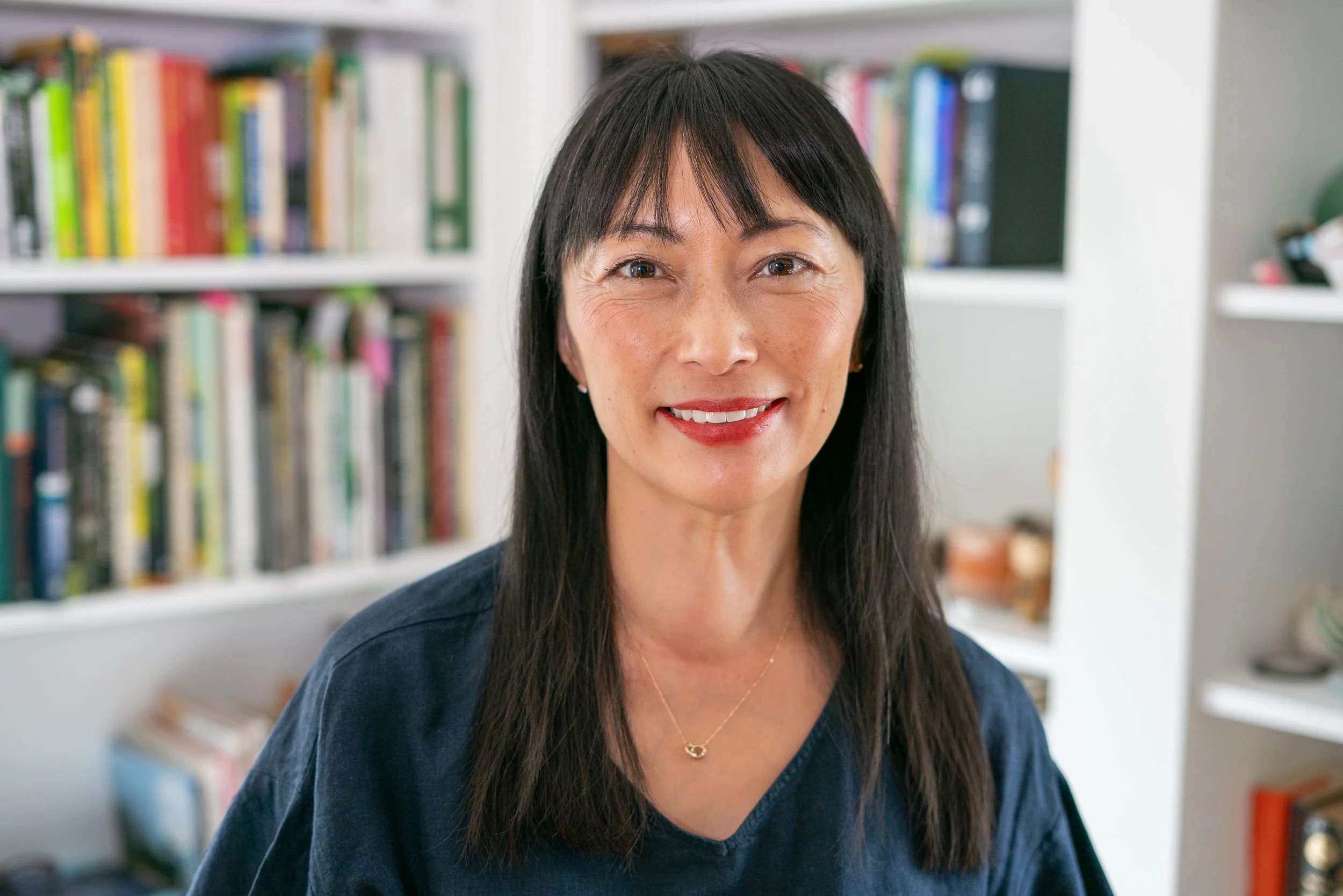
Rumi Tsuchihashi is the author of three books of micro-memoir, including I Want This For You, a finalist for the Tucson Festival of Books Literary Award. She is the editor of the global anthology What Is Love? A Story Collection and has been published in The New York Times Modern Love and the International Examiner, where she illuminates the Nikkei experience—the Japanese diaspora.
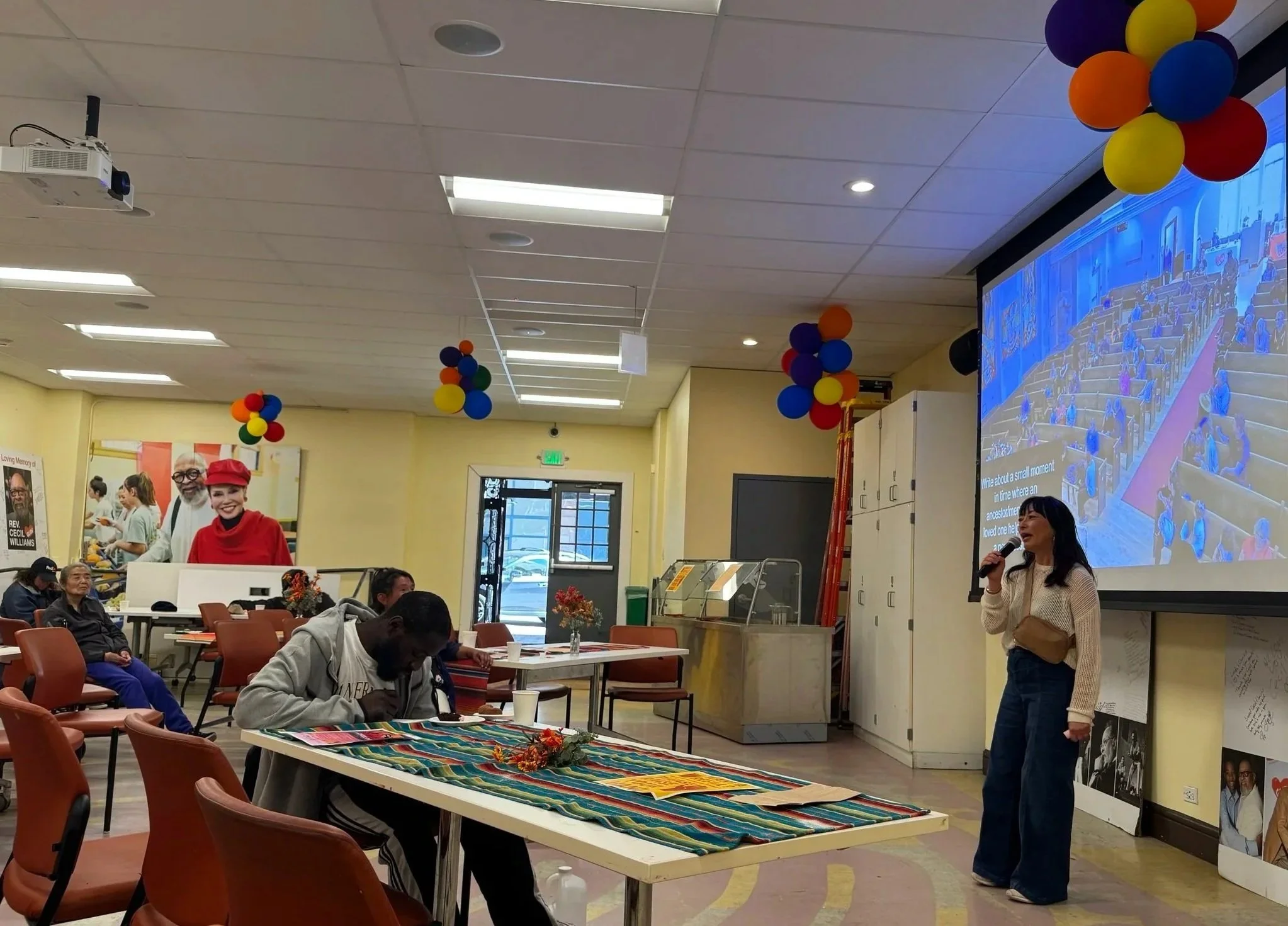
Rumi teaches writers to work with small, true moments: the scents, everyday objects, and brief exchanges that hold the weight of an entire life. Through her newsletter, courses, and coaching and editorial work, she has guided over 100 people in finding their voice. She believes brevity is a welcome constraint for distilling what matters most.
For interviews, speaking engagements, or media inquiries:
[Download press kit] | [Contact: hello@rumitsuchihashi.com]